Vaginal Tightening Laser
◆

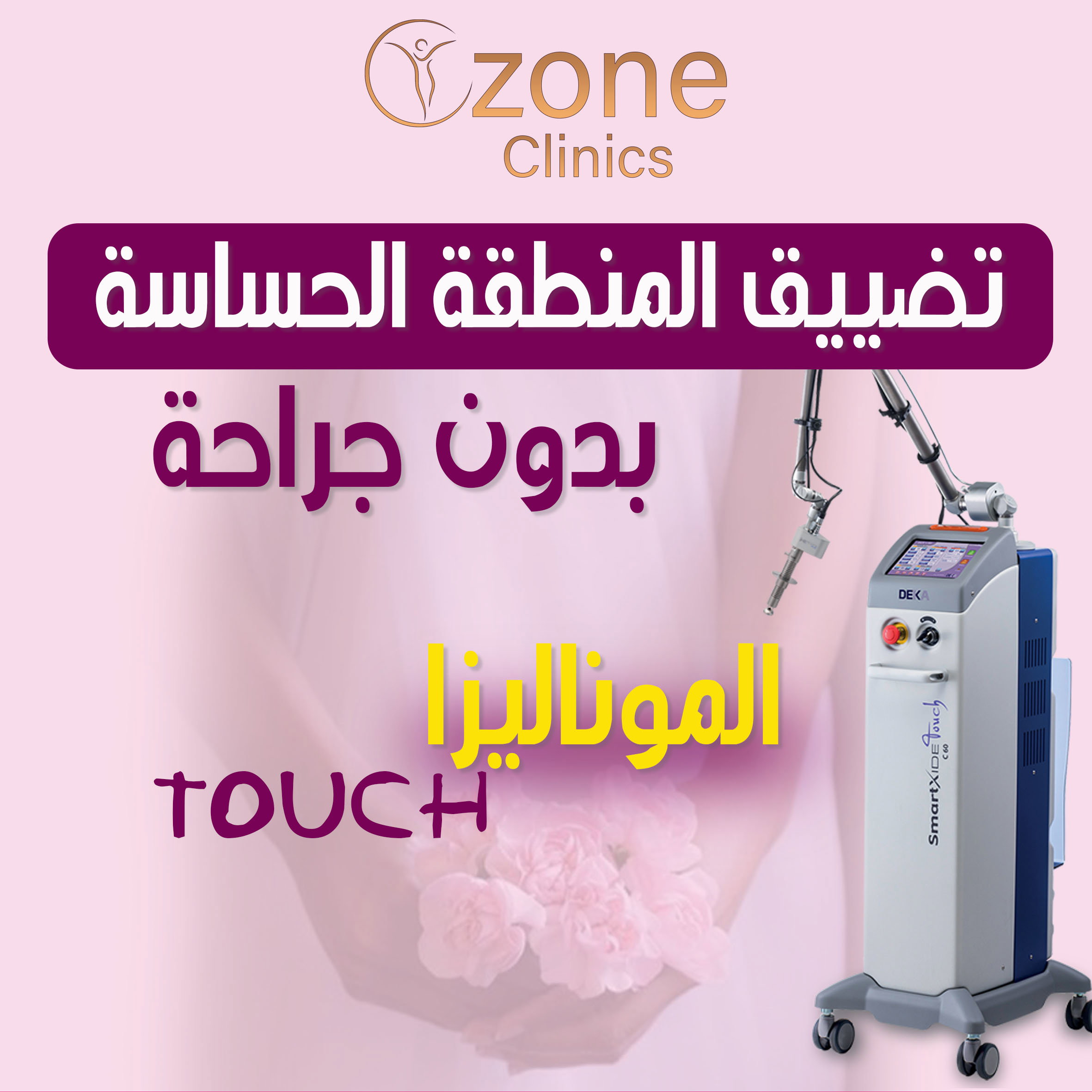 A vaginal tightening laser (often termed "vaginal rejuvenation") is a non-surgical treatment that uses targeted thermal energy—such as CO2 or Radio Frequency (RF)—to stimulate collagen production in the vaginal walls. The brief, outpatient procedure is typically designed to improve tissue tone, elasticity, and address symptoms like dryness or mild urinary incontinence.
How the Procedure Works
- The Process: A specialized probe with a 360-degree rotating head is inserted into the vaginal canal. The laser delivers gentle CO₂ energy to the vaginal walls, creating microscopic controlled injuries.
- The Mechanism: The device emits a beam of light and heat energy that penetrates the upper mucosal tissues. This gentle heating boosts blood circulation and forces the lower tissue layers to generate more collagen and elastin, and vascularization (blood flow).
- Time: The session usually takes between 5 to 15 minutes, often referred to as a "lunch break" procedure.
- Results: The vaginal cells are revitalized, restoring tissue elasticity, natural lubrication, and healthy pH levels.
Treatment & Recovery
- The Procedure: Conducted in the clinic, similar to an annual well-woman exam. It takes about 5 minutes, is virtually painless, and does not require anesthesia.
- Typical Protocol: Most patients require an initial set of 3 treatments spaced approximately 6 weeks apart.
- Recovery: Patients can resume normal daily activities right away, though they are generally advised to refrain from sexual activity for 2 to 3 days.
Claimed Benefits & Expected Results
Advocates and providers of this cosmetic procedure claim it offers several key benefits for women experiencing changes due to childbirth, aging, or hormonal shifts:
- Improves tissue tightness and elasticity.
- Increases vaginal lubrication and reduces dryness.
- Alleviates pain during intercourse.
- Reduces involuntary bladder leakage (stress incontinence).