Close spaces
◆
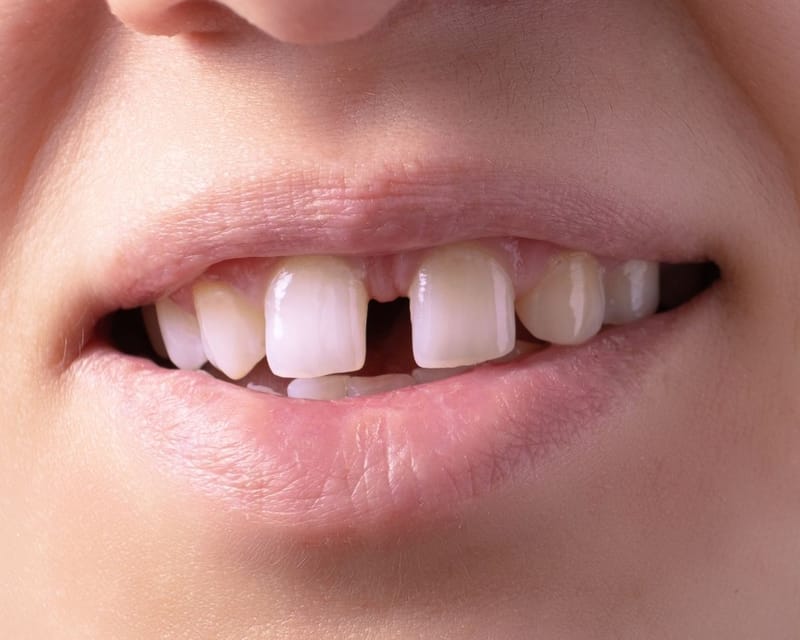
Closing dental spaces, or diastemas, typically involves either moving the teeth physically or using restorative materials to fill the gap. While some spaces in children close naturally as adult teeth erupt, spaces in adults usually require professional intervention to change.
Professional Treatment Options
Common methods to close these gaps vary by the size of the space and your aesthetic goals:
- Orthodontic Treatment: Traditional braces or clear aligners physically move the teeth into alignment. This is the most comprehensive solution for larger gaps or bite issues, usually taking 6 to 18 months.
- Dental Bonding: A tooth-colored composite resin is applied to the sides of the teeth to widen them and close the gap. This is often the fastest and most cost-effective option, typically completed in a single visit.
- Porcelain Veneers: Thin, custom shells are bonded to the front of the teeth to reshape them. They are more durable and stain-resistant than bonding but require removing a small amount of enamel.
- Restorative Options: For gaps caused by missing teeth, dental implants or bridges can fill the space to restore function and prevent other teeth from shifting.
Key Considerations
- Timeframe: Bonding can take one hour, while orthodontics can take over a year.
- Permanence: Orthodontics moves the teeth permanently (with retainer use), while cosmetic fixes like bonding may need replacement every 5–10 years.
- Natural Closure: In children, gaps often close naturally when adult canines emerge (usually around age 10–12), but this is rare in adults.