Hair care departement
◆
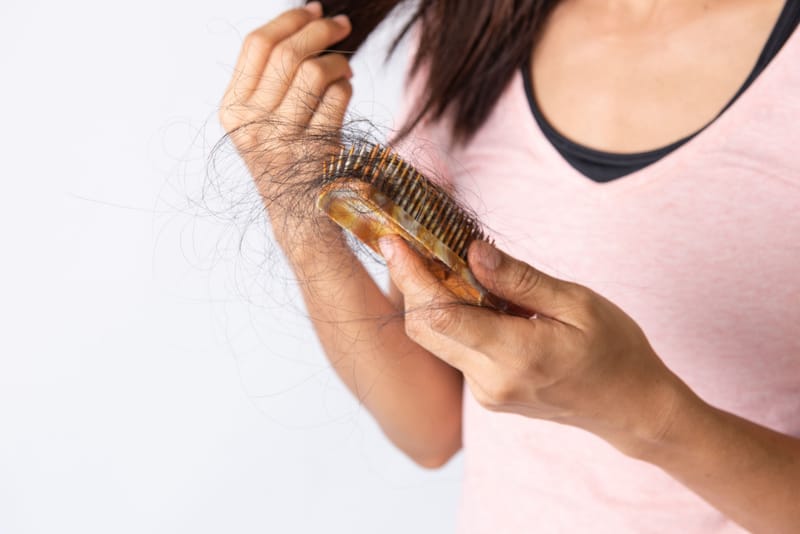
Hair loss affects the scalp or entire body and can be temporary or permanent. It stems from genetics, hormonal changes, medical conditions, or aging.
Normal daily shedding is 50 to 100 hairs; a visible increase or thinning parts indicates unusual hair loss.
Common Causes
- Genetics: Hereditary androgenetic alopecia (male or female pattern baldness) is the most common cause.
- Stress & Shock: Physical or emotional trauma can cause widespread temporary thinning (telogen effluvium).
- Medical & Hormonal: Thyroid conditions, pregnancy, menopause, or autoimmune disorders (like alopecia areata).
- Nutritional Deficiencies: A lack of iron, protein, zinc, or biotin.
- Hair Care Practices: Traction alopecia from tight hairstyles (like braids), aggressive chemical treatments, and excessive heat styling.
Treatment Options
Treatments vary greatly depending on the case and cause.
- PRP
- Exosomes for hair
- Mesotherapy
- Bioton
- Hair transplant
- Platelet-Rich Plasma (PRP) therapy : is a regenerative medical treatment that uses a patient's own blood to accelerate healing and stimulate cell growth. A small amount of blood is drawn, spun in a centrifuge to concentrate the platelets, and injected into targeted areas to stimulate hair follicles and treat conditions like male or female pattern baldness.
- What to Expect
- Procedure: Typically takes less than an hour and is performed in a clinical setting.
- Side Effects: Because the treatment uses your own blood, the risk of an allergic reaction or rejection is practically zero. Mild swelling or redness at the injection site is common.
- Results: Results are not immediate. It generally takes several weeks to months to notice improvements as tissues gradually heal and regenerate.
- Exosomes for hair
- Exosome therapy for hair loss is an emerging regenerative treatment. Stem cell-derived exosomes are applied to the scalp to stimulate dormant hair follicles, increase hair thickness, and reduce shedding.
- How It Works
- Exosomes are microscopic, fluid-filled sacs (extracellular vesicles) derived from stem cells. They act as cellular messengers, delivering growth factors, proteins, and genetic material directly to weakened hair follicles to instruct them to regenerate and enter the active growth phase.
- Treatment & Results
- The Procedure: Exosomes are typically delivered to the scalp through micro-injections or topically combined with microneedling to help the vesicles penetrate the skin barrier.
- Number of Sessions: A standard protocol generally requires 2 to 4 sessions, usually spaced about 4 weeks apart.
- Timeline: Visible improvements, such as increased density and hair shaft diameter, are usually reported anywhere between 2 to 6 months post-treatment.
- Mesotherapy:
- for hair is a non-surgical, minimally invasive procedure where a tailored mixture of vitamins, minerals, amino acids, and medications (like minoxidil or finasteride) is micro-injected into the middle layer of your scalp. It stimulates hair growth, increases follicle health, and reduces hair fall.
- How It Works
- Direct Nourishment: Injections deliver essential nutrients straight to the hair follicle, bypassing the bloodstream for better absorption.
- Improved Circulation: The micro-injections and active ingredients boost localized blood flow in the scalp.
- Hormonal Blocking: Some formulations include active medicines to suppress dihydrotestosterone (DHT), the hormone responsible for male and female pattern baldness.
- Procedure Details
- Treatment Time: Each session takes about 20 to 30 minutes.
- Course of Treatment: Typically requires 8 to 12 sessions, often spaced 1 to 2 weeks apart initially.
- Downtime: Minimal. You can usually resume normal daily activities right away, though you should avoid washing your hair, excessive sweating, or direct sun exposure for 24 to 48 hours.
- Biotin (Vitamin B7): promotes hair growth by supporting keratin production, it reduce breakage and cure hair loss caused by genetics, stress, or hormones.
- Who Benefits Most?
- Deficiency Cases: Biotin deficiency is rare, but can occur due to genetics, smoking, or prolonged medication use. Symptoms include hair thinning, brittle nails, and scaly red rashes. Supplementation directly reverses hair loss in these scenarios.
- Healthy Individuals: It may strengthen existing hair shafts and reduce breakage, leading to the appearance of fuller, shinier hair.
- Hair transplant: Hair transplant section